
Another RBA decision is looming, and borrowers could face yet another rate rise. But there are also opportunities emerging in the property and lending markets. Here’s what you need to know:
- Five mortgage checks to make before the next RBA decision
- Rental growth stalls despite Australia’s housing shortage
- More lenders join the government’s Help to Buy scheme
- The lending loophole some borrowers may not know about

Another interest rate rise is possible in November – but there are steps you can take now to protect your household budget.
The Reserve Bank of Australia (RBA) raised the cash rate again in late September, prompting lenders across the market to increase their variable mortgage rates.
That was the fourth increase of 2026, and persistent inflation means another rise at the RBA’s 3 November meeting remains possible.
Five things worth checking now
- Your interest rate. Is it still competitive, or could another lender offer a better deal?
- Your repayments. Calculate what another 0.25-percentage-point increase would mean for your budget.
- Your cash buffer. Could you cover unexpected expenses alongside higher repayments?
- Your offset account. Are you making full use of any interest-saving features?
- Your loan structure. Would refinancing or changing your repayment arrangements make sense?
Another rate rise isn’t guaranteed, but there’s no harm in being prepared.
Get in touch with a mortgage broker to assess whether your current mortgage is still competitive and how you could manage higher repayments.

Rents have stopped rising in some markets despite a shortage of available homes, a surprising shift that could affect investors and first home buyers.
Domain’s latest rental figures suggest affordability pressures may finally be putting the brakes on rent increases.
Across the combined capital cities, the latest figures show:
- House rents rose 7.7% over the year to September but 0.0% over the quarter.
- Unit rents rose 6.2% in annual terms and 1.5% in quarterly terms.
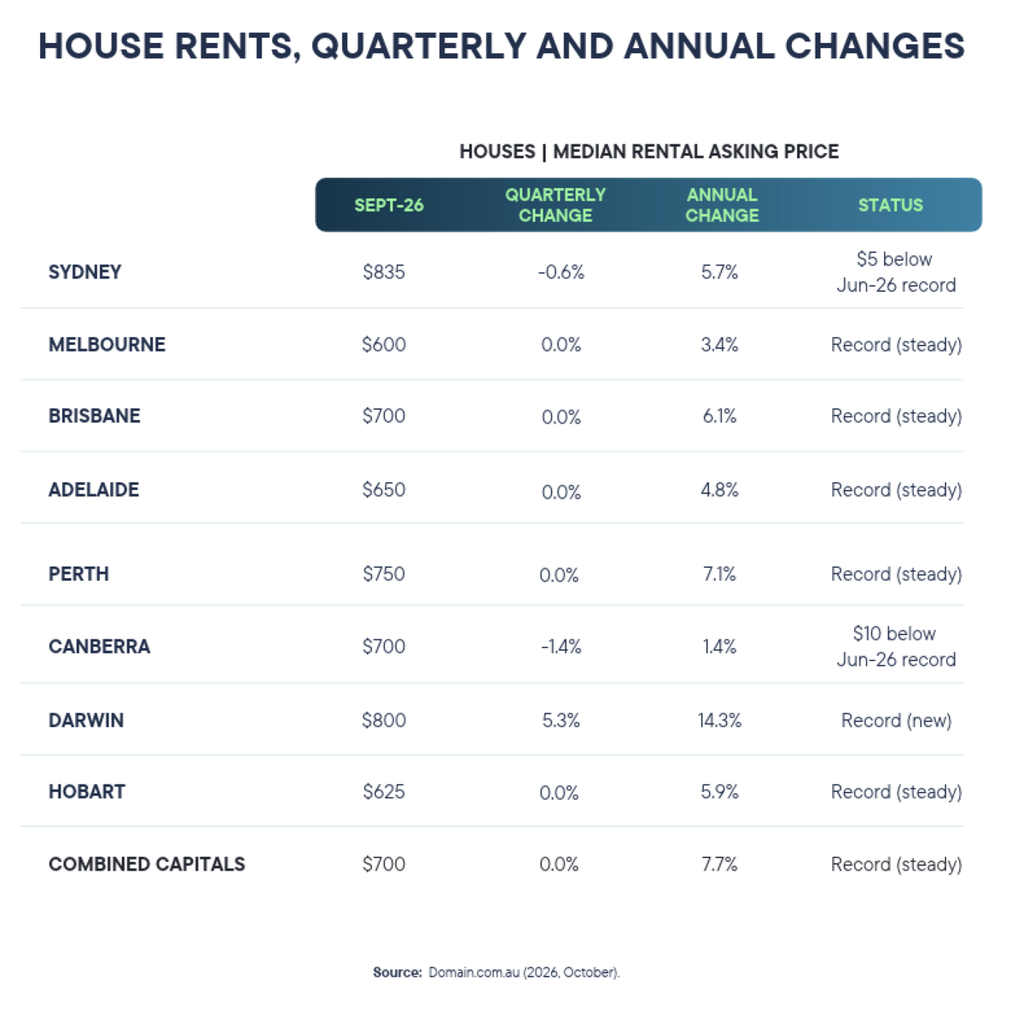
One possible explanation is that renters are reaching their affordability limits after years of sharp increases.
For investors, low vacancies remain encouraging, as they suggest continued demand for rental accommodation. However, conservative rental forecasts and careful cash-flow planning are becoming more important.
For first home buyers, slower rent growth could provide some breathing room to build a deposit, although rents remain high.
Thinking about buying your first home or an investment property? An experienced mortgage broker can help you through the numbers to see what you could comfortably afford.

Buying your first home could be more achievable than you think – with the federal government’s Help to Buy scheme allowing eligible buyers to enter the market with a deposit as small as 2%.
An additional lender has now joined the scheme, expanding the options available to eligible buyers.
How Help to Buy works
- You need a deposit of at least 2%.
- The government contributes up to 30% of an existing home’s purchase price or 40% of a new home’s price.
- You borrow the remaining amount from a participating lender.
- The government retains an equity share, which generally changes in value as the property value changes.
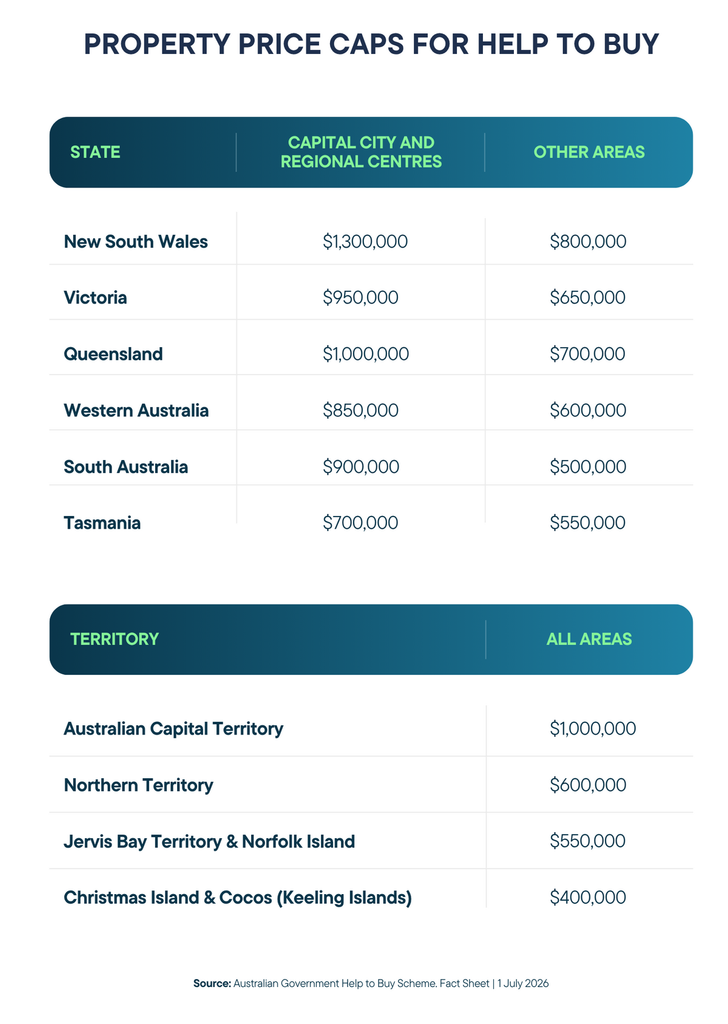
The scheme has income limits, property price caps and other eligibility conditions.
For qualifying buyers, the smaller mortgage could mean lower repayments and an earlier entry into home ownership.
Help to Buy could make home ownership possible sooner than you expected. A mortgage broker can help you understand the eligibility requirements and how the scheme might work for you.

Being outside a lender’s standard borrowing criteria doesn’t always mean your home loan application will be rejected.
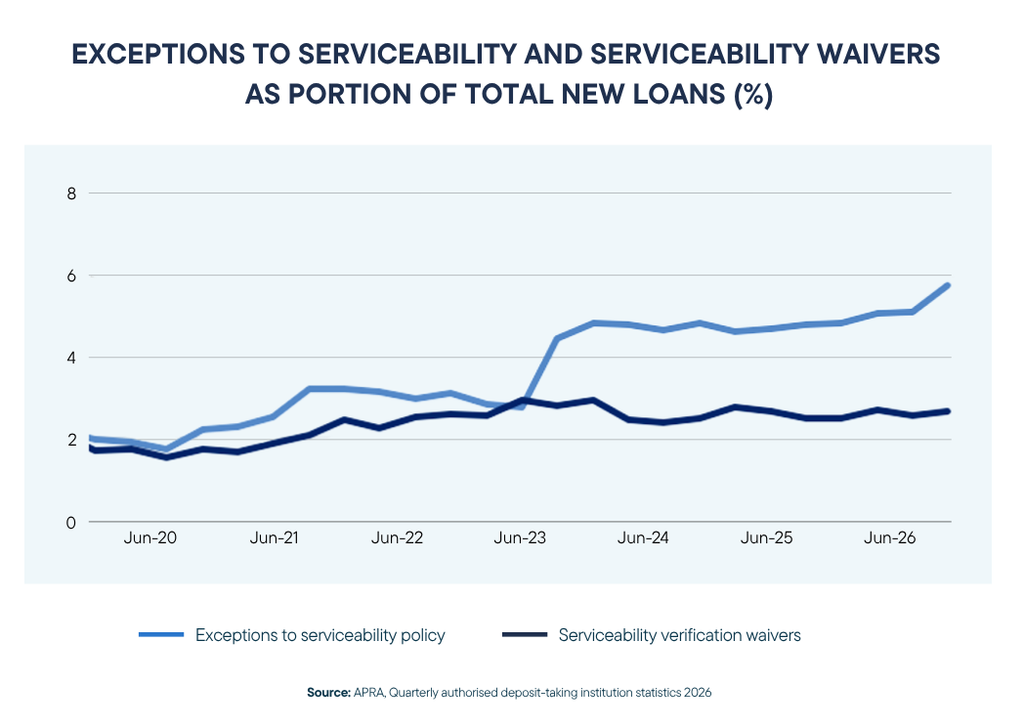
New figures from APRA, the banking regulator, show that 5.8% of loans funded in the June quarter involved exceptions to lenders’ standard serviceability policies, up from 5.1% in March and 4.8% a year earlier.
Serviceability is a lender’s assessment of whether you can afford your mortgage repayments, including a buffer for possible rate increases.
In some cases, a lender may approve a loan that falls outside its usual serviceability rules, provided the borrower can still demonstrate an acceptable ability to repay.
Why this could be encouraging
A borrower with a strong repayment history might be able to refinance even if they don’t satisfy the usual assessment requirements.
Similarly, someone experiencing a temporary income reduction might have other evidence demonstrating their ability to repay.
The increase suggests some borrowers are securing loans through exceptions to standard policies, although lenders still need to be satisfied they can afford the repayments.
Not meeting a lender’s standard criteria doesn’t necessarily mean you’re out of options. Reach out to Goodwill Finance and we can discuss whether another lender or a suitable exception pathway might be available.
Higher rates are putting pressure on borrowers, but Help to Buy and more flexible lending options could open new doors. Thinking about your next property move? Get in touch and let’s explore what’s possible.You can contact us by emailing us at [email protected] or by calling us at 0423 459 480.
Disclaimer: The information provided is of a general nature and does not take into account your personal financial circumstances, goals, or needs. It should not be considered financial or investment advice, nor a recommendation or invitation to acquire financial products or services. You should not act solely on this information without obtaining professional financial advice tailored to your situation. Any loan application is subject to a full assessment of your financial position, as well as the lender’s terms, conditions, fees, charges, and eligibility criteria.