As 2026 draws to a close, now’s the time to take stock. From refinancing your mortgage to snapping up an end-of-year car deal, there are some important decisions worth considering.
- Waiting for rates to peak could cost you money
- Property prices fall 6.7% in seven months
- Electric vehicle sales surge as motorists keep spending
- What to check before buying a distressed property

With mortgage rates rising again, waiting for the RBA to finish hiking could cost you money.
The Reserve Bank of Australia has increased the cash rate five times in 2026, by a combined 1.25 percentage points. Lenders have passed those increases on to variable-rate borrowers, and further hikes remain possible.
That makes having a competitive home loan particularly important.
Is waiting worth it?
Some borrowers might prefer to wait until rates have peaked before refinancing. But there’s no guarantee when that will happen.
Meanwhile, you could be paying more interest than necessary.
For example, on a $600,000 mortgage, a 0.25-percentage-point rate difference represents more than $1,000 in annual interest initially, assuming the balance remains unchanged.
Refinancing isn’t automatically worthwhile, though. You’ll need to weigh up the potential savings against switching costs, loan features and any applicable fees.
You don’t have to wait for rates to peak to find out whether you’re paying too much. A mortgage review now could identify potential savings – regardless of what the RBA does next.

Higher interest rates are doing more than increasing mortgage repayments – they’re also putting pressure on property prices and changing the outlook for buyers and sellers.
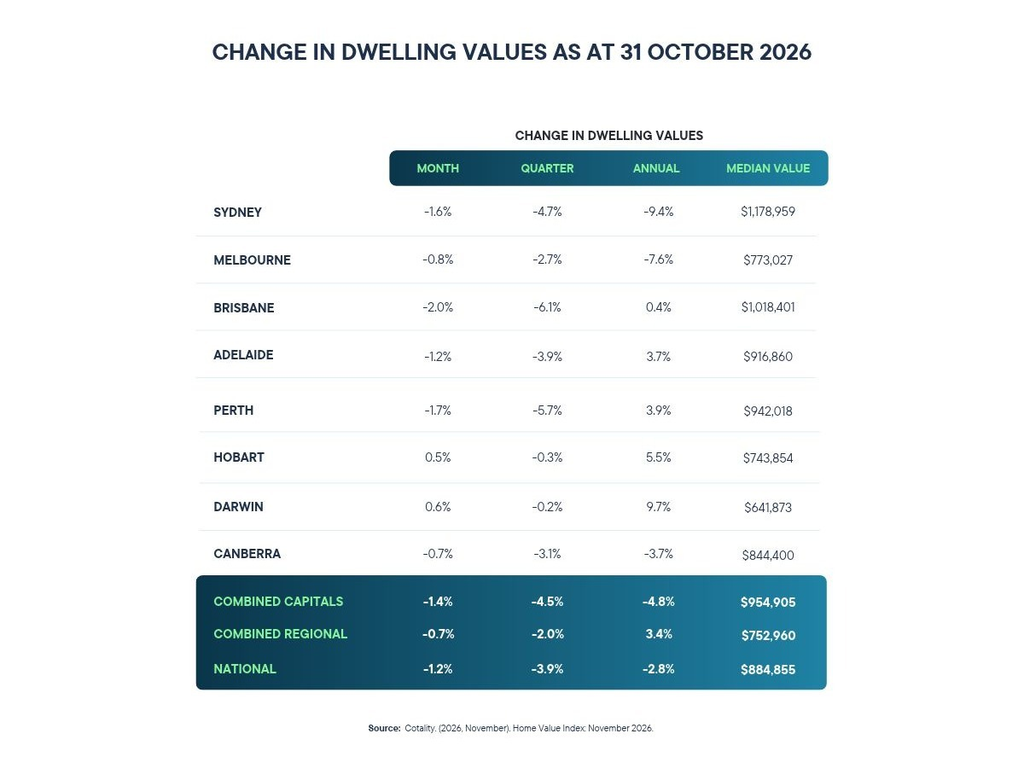
The national median property price fell another 1.2% in October, extending the downturn to seven consecutive months, according to Cotality.
Prices have now fallen a cumulative 6.7%, with the pace of decline tracking faster than any previous downturn over the past 40 years.
What’s driving the downturn?
Several factors are contributing:
- Higher interest rates – five rate hikes this year have increased mortgage repayments.
- Reduced borrowing power – higher rates have made it harder for buyers to qualify for larger loans.
- Cost-of-living pressures – household budgets remain stretched, making buyers more cautious.
- Weaker confidence – uncertainty about future rates and prices is encouraging some buyers to delay their plans.
The slowdown is also affecting sellers. Properties are taking longer to sell than at any time since 2020, while vendor discounting has reached its highest level since 2019.
Thinking about entering the property market despite the uncertainty? Let’s work out what you could comfortably borrow, so you can make your next move with confidence.

Motorists are still buying new cars despite cost-of-living pressures – and electric vehicles are attracting a much bigger share of buyers.
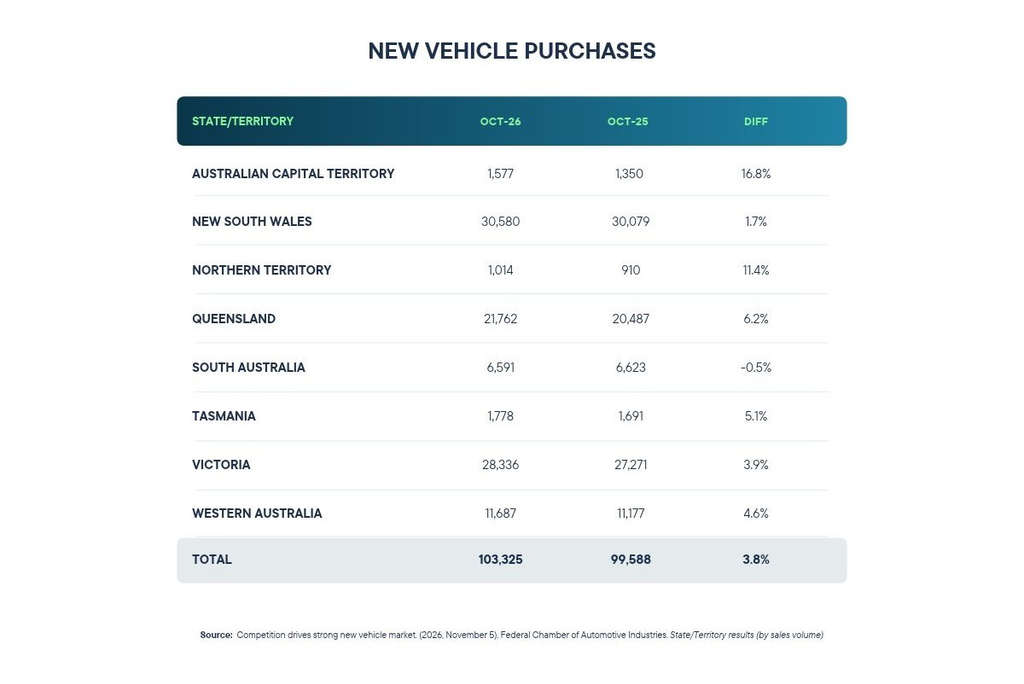
According to VFACTS, the number of new vehicles purchased in October rose 3.8% compared with the same month last year.
Battery electric vehicles accounted for 23.1% of purchases, up from just 7.3% a year earlier.
Strong competition, higher petrol prices linked to the Middle East conflict and federal tax concessions are helping drive demand.
Make the most of end-of-year sales
As the year draws to a close, some dealerships may offer discounts to clear their remaining 2026 stock.
Before buying:
- Compare prices. Ask several dealerships for quotes on the same vehicle.
- Look for run-out deals. Older stock may attract discounts or additional features.
- Check the total cost. Consider insurance, servicing, fuel or charging and depreciation.
- Organise finance early. Knowing your budget can strengthen your negotiating position.
A great end-of-year car deal can lose its appeal if the finance is expensive. Before you visit the dealership, get in touch and I’ll help you understand your finance options.

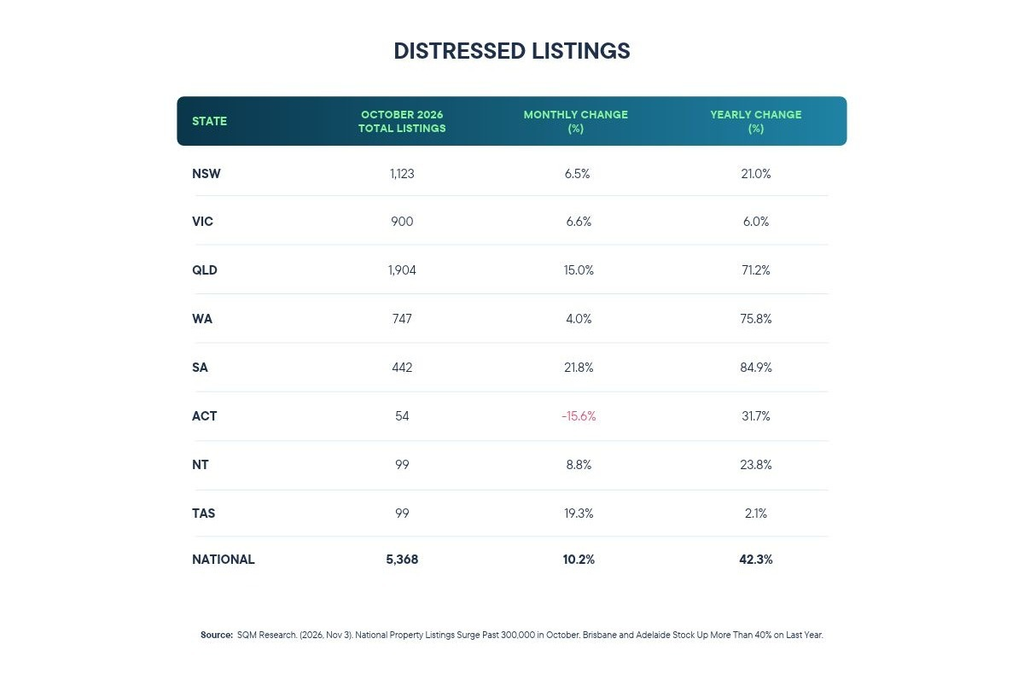
More homeowners appear to be under financial pressure, with distressed property listings rising sharply – a development worth watching if you’re planning to buy.
According to SQM Research, distressed property listings were 42.3% higher in October than a year earlier, reaching their highest level since 2024.
Although the total remains relatively low, the sharp increase suggests more owners may be struggling financially.
A distressed listing generally involves a seller facing financial difficulties, potentially including mortgage arrears or other debts.
Opportunity or warning sign?
A distressed sale could offer an opportunity to negotiate, particularly if the seller needs a quick settlement.
However, distressed properties may have been poorly maintained, while some sales involve stricter contract conditions or less flexibility over settlement terms.
Buyers should arrange appropriate building and pest inspections, review the contract carefully and understand their finance requirements before committing.
Distressed sales can move quickly, so having your finance organised beforehand could make all the difference. If one of these properties catches your eye, I can help you understand your borrowing options before you make an offer.
With interest rates rising, property prices falling and car sales growing, there’s plenty happening as the year winds down. If you’ve got financial plans for 2027, let’s get a head start now. Contact Goodwill Finance and we can help you understand your opportunities and possibilities. You can give us a call at 0423 459 480 or email us at [email protected].
Disclaimer: The information provided is of a general nature and does not take into account your personal financial circumstances, goals, or needs. It should not be considered financial or investment advice, nor a recommendation or invitation to acquire financial products or services. You should not act solely on this information without obtaining professional financial advice tailored to your situation. Any loan application is subject to a full assessment of your financial position, as well as the lender’s terms, conditions, fees, charges, and eligibility criteria.