
Higher interest rates, refinancing options and new government initiatives are reshaping the housing market. Here are four developments that could influence your next property decision:
- Help to Buy opens the door for more buyers
- What the new SMSF rules mean for investors
- Could you save thousands of dollars by refinancing?
- Don’t let higher rates catch you out

Buying your first home just became easier for more Australians, thanks to changes to the federal government’s Help to Buy scheme.
From 1 July, 10,000 new places became available for the 2026–27 financial year.
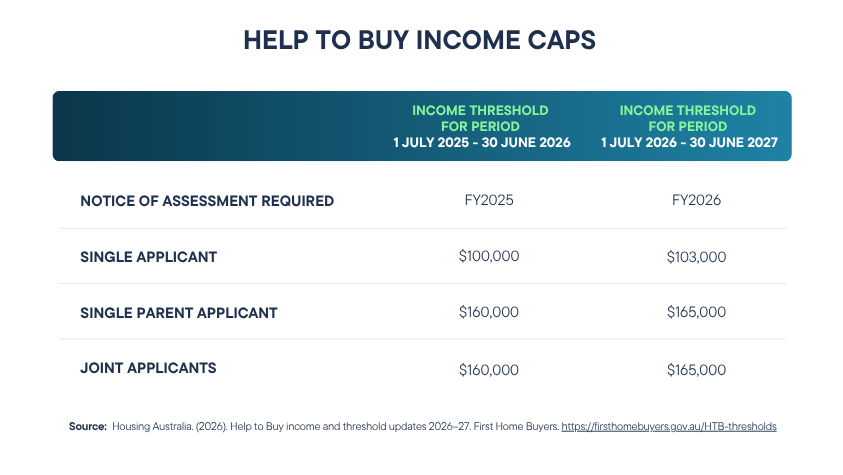
At the same time, the scheme’s taxable income limits increased to $103,000 for single applicants and $165,000 for joint applicants and single parents, allowing more buyers to qualify.
Demand is strong
Help to Buy has attracted significant interest since launching in December 2025.
Between then and June 2026:
- More than 7,200 applications were received.
- The median deposit was $30,000.
- 86% of applicants were first home buyers.
Why buyers are taking notice
Under Help to Buy, the government contributes towards the purchase price in exchange for an ownership share of up to 40%.
That means eligible buyers may need a smaller deposit and a smaller mortgage, making home ownership achievable sooner.
If you’re thinking about buying your first home, now could be the right time to see whether the expanded scheme could help you get there sooner.
Talk to a mortgage broker to understand whether you qualify for Help to Buy.

If you use a self-managed super fund or plan to set one up, recent rule changes could affect your future property investment options.
The federal government has ended the ability for SMSFs to borrow to purchase residential property.
SMSFs can still buy residential property outright using existing super balances, but they can no longer use borrowed funds for those purchases.
Commercial property is different
The changes do not apply to commercial property.
SMSFs can still borrow to purchase commercial property, meaning those rules remain unchanged.
That distinction is important because many investors are unaware that residential and commercial property are now treated differently.
Understanding the new landscape
The changes don’t prevent SMSFs from investing in property, but they do change the financing options available.
As a result, anyone considering property through their super should take the time to understand the updated rules before making plans.
Property ownership, lending and superannuation rules often overlap, and even small policy changes can affect how different strategies work in practice.
Consult with your mortgage broker if you’d like to understand what the new SMSF rules could mean for your future property decisions.

Many homeowners have built far more equity than they realise, and that could translate into lower mortgage repayments.
According to PropTrack, house prices rose over the year to June in 85% of suburbs across Australia, while unit prices increased in 90% of suburbs.
Although prices have softened recently, many homeowners have built enough equity to refinance on more competitive terms.
Why equity matters
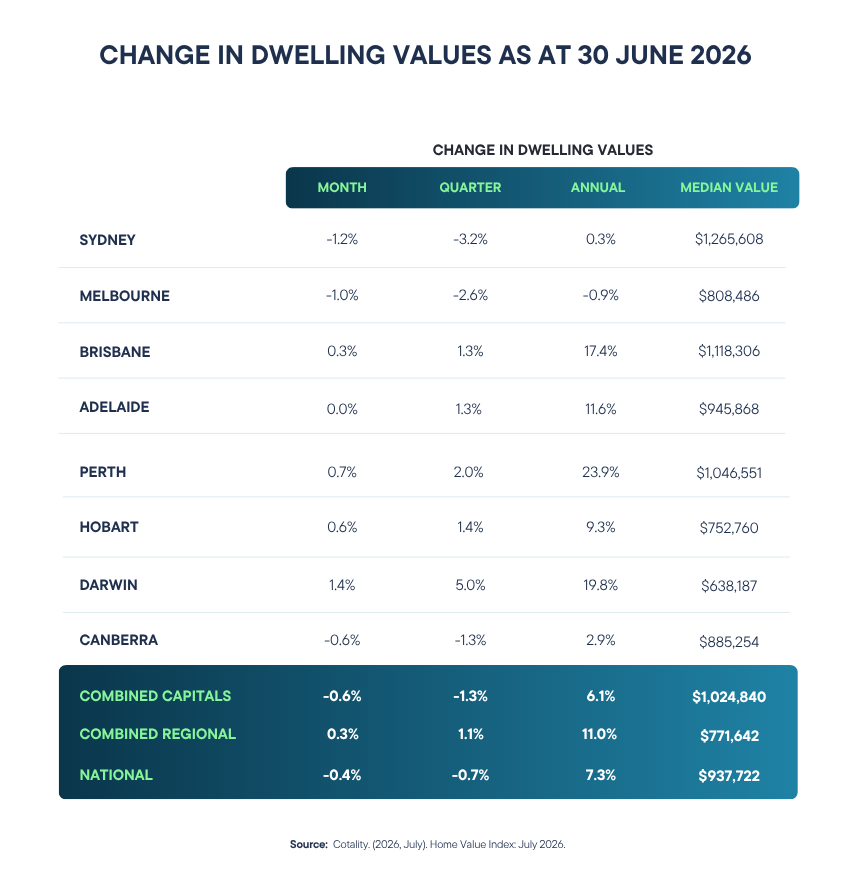
Cotality reported that the national median property price fell 0.7% in the June quarter, but values remain well above where they were a year ago.
For many borrowers, that means they may now have at least 20% equity in their property, allowing them to refinance without paying lenders mortgage insurance.
Is your current loan still competitive?
Competition between lenders remains strong, with many offering lower rates to attract new customers.
If you’ve built sufficient equity, refinancing to a comparable loan could potentially reduce your interest rate and save thousands of dollars each year, depending on your loan and circumstances.
Even if you don’t switch lenders, understanding what’s available can put you in a stronger position.
Many borrowers don’t realise how much their refinancing options have improved. A quick home loan review could reveal opportunities to reduce your repayments.

Three interest rate rises this year have changed the budgeting equation, but there are practical steps both homeowners and buyers can take.
The Reserve Bank has lifted the cash rate by a combined 0.75 percentage points in 2026, and another increase later this year can’t be ruled out if inflation remains persistent.
If you already have a mortgage
Now is a good time to:
- Review your interest rate.
- Consider whether refinancing could reduce your repayments (see previous story).
- Check that your loan still suits your needs.
- Revisit your household budget.
If you’re planning to buy
Higher rates don’t necessarily mean putting your plans on hold.
Instead, consider:
- Getting pre-approved before you start searching.
- Building a larger financial buffer.
- Looking across a wider range of suburbs or property types.
- Stress-testing your budget against the possibility of another rate rise.
The property landscape continues to evolve, from new buyer support to changing SMSF rules. If you’re wondering what it all means for you, we can help you. You can contact us at [email protected] or 0423 459 480.
Disclaimer: The information provided is of a general nature and does not take into account your personal financial circumstances, goals, or needs. It should not be considered financial or investment advice, nor a recommendation or invitation to acquire financial products or services. You should not act solely on this information without obtaining professional financial advice tailored to your situation. Any loan application is subject to a full assessment of your financial position, as well as the lender’s terms, conditions, fees, charges, and eligibility criteria.