
Australia’s 2026/27 Federal Budget is out. And it has introduced a number of proposed reforms and housing-related initiatives that could significantly impact the property market, borrowing conditions, and long-term housing affordability.
Here’s a breakdown of what the budget reforms are and what they may mean for everyone looking to enter or grow within the Australian property market. The 2026/27 budget announcement has four major decisions that could affect the property market:
- Negative Gearing Reform
- Capital Gains Tax (CGT) Changes
- $2 Billion Housing Infrastructure Package
- Faster Planning and Housing Delivery Measures
Negative Gearing Reform

The 2026/27 Federal Budget has proposed major changes to Australia’s negative gearing rules as part of a wider strategy to improve housing affordability and increase housing supply.
Under the proposed changes, negative gearing benefits for residential property investments will be limited to newly built homes. For established residential properties purchased after Budget night, these tax deductions are expected to be gradually removed from 1 July 2027. Existing investment properties, however, are expected to remain unaffected under grandfathering provisions.
The aim of the reform is to encourage more investment into new dwellings rather than established properties. By shifting investor demand towards newly constructed homes, the government hopes to support additional housing supply, reduce competition in the established property market, and create better opportunities for first home buyers.
These proposed changes mark a significant shift to Australia’s property investment tax system in recent years and could have a long-term impact on investor activity, housing construction, and the broader property market.
Capital Gains Tax (CGT) Changes

The 2026/27 Federal Budget proposes major changes in capital gains tax (CGT) as well. This announcement is also considered as part of the government’s broader plan to improve housing affordability and encourage the construction of new homes across Australia.
Under the proposed reforms, the current 50% CGT discount for assets purchased after 1 July 2027 would be replaced with an inflation-indexed taxation model. In addition, a minimum 30% CGT threshold will be applied to relevant capital gains, limiting the extent to which capital gains can be taxed below this level.
The budget also outlines changes to negative gearing rules for residential property investors. Tax benefits associated with negative gearing will be limited to newly built investment properties only, while established properties purchased after the implementation date will no longer qualify for these concessions. Existing investment properties are expected to remain under grandfathering arrangements.
Housing Infrastructure Development

The 2026/27 Federal Budget has also announced a $2 billion housing infrastructure package aimed at supporting new residential development and addressing housing supply challenges across Australia.
The funding will focus on essential infrastructure projects such as transport, water, sewerage, and electricity services that are needed to unlock housing developments currently delayed by infrastructure limitations. The initiative will be delivered in collaboration with state and local governments and will target both metropolitan growth areas and selected regional markets.
This investment forms part of the government’s broader housing strategy, which also includes planning reforms and changes to property investor tax settings. Together, these measures are intended to improve housing affordability by increasing the supply of new homes over time.
From a broader market perspective, the package is designed to reduce infrastructure-related delays, improve the feasibility of new developments, and support faster housing constructions. The initiative is expected to improve and encourage residential development activity in the coming years.
Faster Planning & Housing Delivery Measures
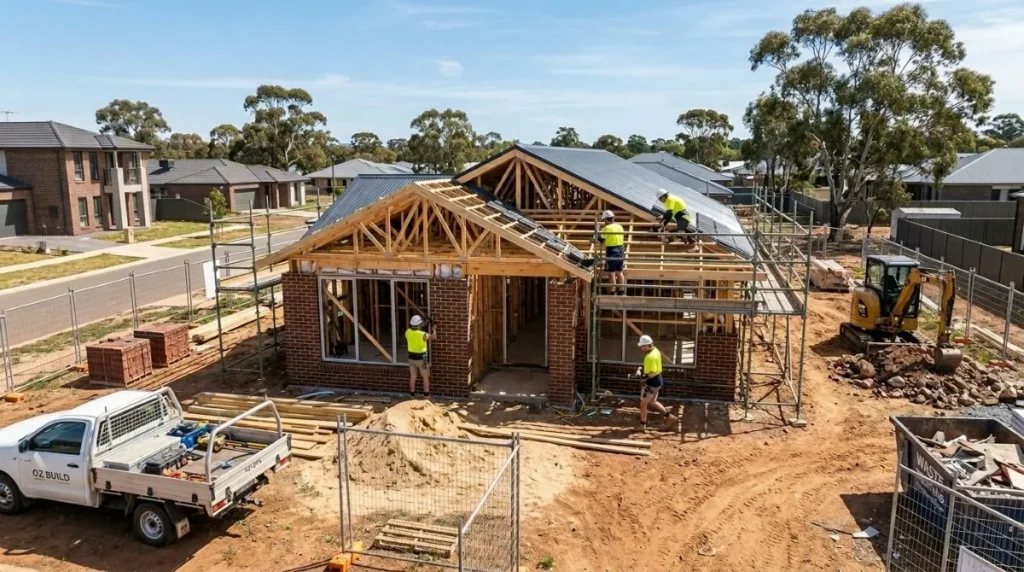
The 2026–27 Federal Budget also introduces a range of initiatives aimed at improving the speed and efficiency of housing delivery across Australia.
The reforms are focused on strengthening coordination between different levels of government, reducing delays in development approval processes where federal involvement applies, and supporting more streamlined planning systems through funding, data and system improvements.
The package includes measures to reduce delays in project progression, improve planning system capacity, and support digital and administrative upgrades in areas experiencing delays in project assessments and construction approvals.
The government’s overall goal is to increase housing supply by removing barriers that slow down residential development and improving the process from planning approval through to construction completion. These initiatives complement other housing measures announced in the Budget, including infrastructure investment and changes in housing-related tax reforms. Over time, the reforms are expected to help improve housing delivery efficiency.
What this could mean for Home Buyers

For many first-home buyers entering the property market, these proposed reforms could create new opportunities over the coming years.
One of the government’s key objectives is to improve housing affordability by increasing the supply of new homes and reducing investor competition in the established housing market. If investor demand shifts more heavily towards newly built properties due to the proposed negative gearing and CGT reforms, first home buyers may face less competition when purchasing established homes.
The increased focus on housing infrastructure and faster planning approvals may also support greater housing availability in both metropolitan and regional areas. Over time, this could help stabilize property price growth and provide buyers with more options in the market.
For home buyers considering newly built properties, the reforms may also create additional opportunities as developers respond to increased investor interest and government support for new housing supply. This could lead to:
- More new housing projects entering the market
- Improved availability of house-and-land packages
- Increased development activity in growing areas and regional locations
What this could mean for Investors

For property investors, the proposed reforms represent a major shift in Australia’s investment property landscape.
The planned restriction of negative gearing benefits to newly built properties, combined with changes to capital gains tax rules, may encourage investors to reconsider where and how they invest in residential property.
Investors who traditionally focused on established homes may begin shifting towards:
- Off-the-plan properties
- House-and-land packages
- Newly constructed investment properties
- Growth areas with strong development pipelines
As a result, newly built properties could become increasingly attractive due to their comparatively favourable tax treatment under the proposed framework. Opportunities still emerge for investors who adapt early to the changing dynamics.
Potential opportunities for investors may include:
- Increased demand for high-yield rental properties in growth areas
- Access to newer properties with lower maintenance costs
- Stronger long-term appeal in areas benefiting from infrastructure upgrades
- Potential growth in regional and outer-metropolitan markets supported by government investment
The reforms may also encourage investors to adopt a more strategic, long-term approach to building or restructuring their property portfolios.
The 2026–27 Federal Budget introduces several major housing and property-related reforms that could shape the Australian property market for years to come as the government focus on improving housing supply and affordability.
While these reforms may create changes in market conditions, they may also open new opportunities for both home buyers and investors. As the market continues to evolve, understanding how these changes may impact your borrowing power, investment strategy, or home ownership goals is more important than ever.
Adapting to the market changes with a solid plan and strategy is the key to moving forward. At Goodwill Finance, we’re here to help you navigate changing market conditions and find the right loan solutions tailored to your financial goals. If you want proper guidance to navigate the changing market, feel free to contact us at 0423 459 480 or [email protected].
Disclaimer: The information provided is of a general nature and does not take into account your personal financial circumstances, goals, or needs. It should not be considered financial or investment advice, nor a recommendation or invitation to acquire financial products or services. You should not act solely on this information without obtaining professional financial advice tailored to your situation. Any loan application is subject to a full assessment of your financial position, as well as the lender’s terms, conditions, fees, charges, and eligibility criteria.