
With another RBA decision just around the corner, borrowers have plenty to watch – from the risk of higher rates to falling property prices and a changing market for buyers. Here’s what to watch:
- Higher rental yields change the equation for investors
- How to prepare for a potential rate rise
- Buyers have more bargaining power – but there are limits
- What’s behind the record rise in broker market share?

Falling property prices and rising rents are improving the income equation for property investors.
Australia’s median property price has now declined for five consecutive months, falling 3.6% over that period, according to Cotality.
At the same time, rents continue to rise. The national median rent increased 5.7% over the year to August.
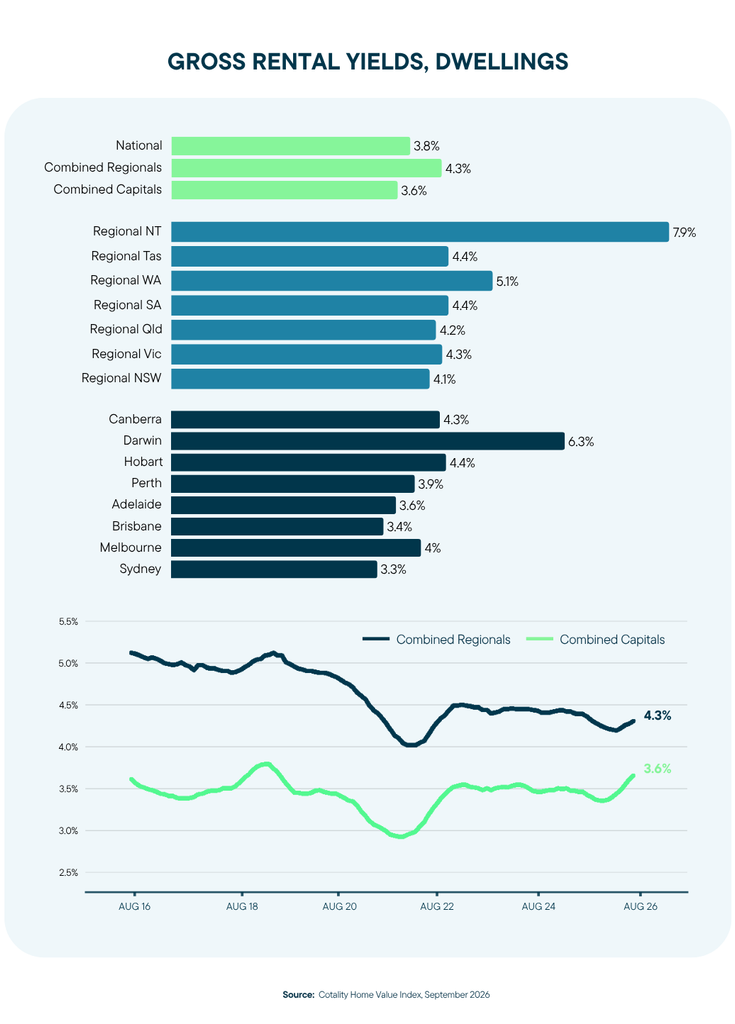
Together, those trends have pushed the national gross rental yield to 3.8% – its highest level since 2019.
What higher yields mean
Gross rental yield measures annual rent as a percentage of a property’s value.
A higher yield can improve cash flow and help offset some of the pressure from higher mortgage rates.
But yield is only part of the equation. Investors also need to consider:
- Loan repayments.
- Property management costs.
- Maintenance.
- Vacancy risk.
- Potential capital growth.
In other words, a high-yield property isn’t automatically a good investment.
If you are thinking about buying an investment property, talking to a mortgage broker can help you understand how different loan structures and repayments could affect your cash flow.

Another cash rate increase isn’t guaranteed – but borrowers may be better off preparing for one than hoping it won’t happen.
The Reserve Bank has already lifted the cash rate by 0.75 percentage points in 2026.
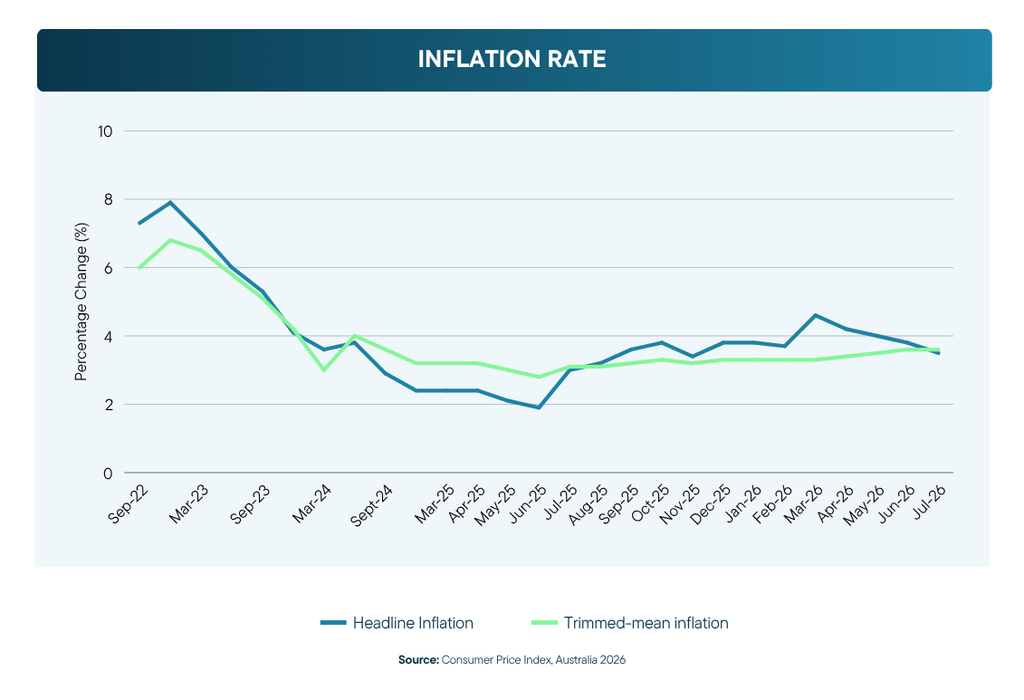
Meanwhile, trimmed-mean inflation has remained above the RBA’s 2–3% target range since June 2025, while recent economic growth, employment and household spending data suggest demand remains surprisingly resilient.
That means another rate hike before the end of the year can’t be ruled out.
What borrowers can do now
Rather than passively waiting for the RBA’s next cash rate decisions on September 29 and November 3, consider:
- Stress-testing your budget at a higher repayment.
- Building a bigger cash buffer.
- Reviewing whether your current rate is still competitive.
- Using an offset or redraw facility strategically.
- Cutting discretionary spending before you’re forced to.
For prospective buyers, it can also make sense to calculate repayments at a rate above today’s level before deciding what you can comfortably afford.
Another rate rise may or may not happen, but you can prepare for one now. An experienced mortgage broker can help you review your loan and borrowing position.

More homes are hitting the market while prices fall across most capital-city suburbs – giving buyers more negotiating room.
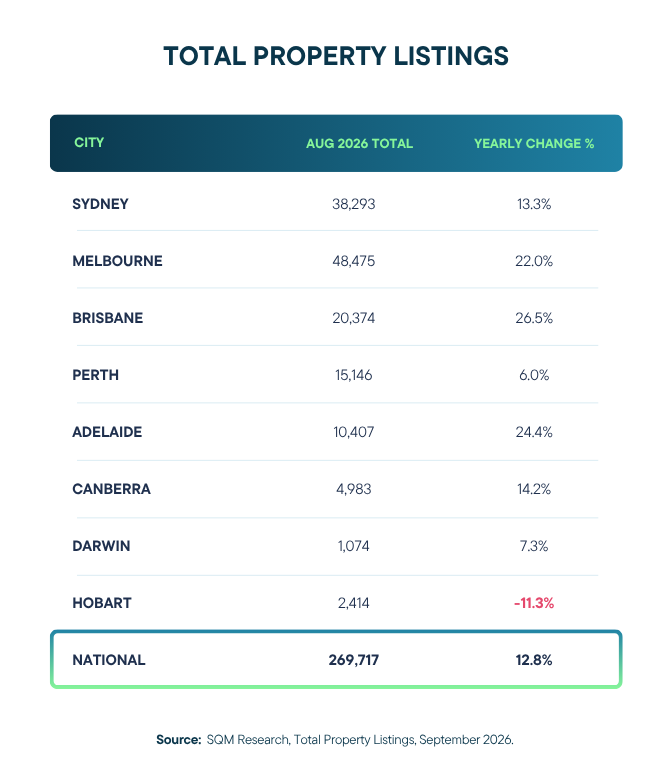
According to SQM Research, the number of properties listed for sale in August was 12.8% higher than a year earlier.
Distressed listings also increased 10%, although they remain relatively low.
At the same time, Cotality says 93% of capital-city suburbs recorded price declines over the three months to August.
More power – not unlimited power
Those trends clearly favour buyers more than they did previously.
More listings can mean:
- Greater choice.
- Less urgency.
- More scope to negotiate on price or terms.
But this still isn’t a market where every seller is desperate to deal.
Good properties can attract strong competition and distressed listings remain relatively uncommon.
So buyers should use the softer market to negotiate confidently – without assuming every vendor will accept a steep discount.
Knowing your borrowing limit before negotiations begin can make that easier. Talk to your mortgage broker before you start making offers and establish your budget and finance options.

More Australians are using mortgage brokers than ever before – highlighting the growing value borrowers place on comparing lenders and loan options.
Brokers facilitated a record 81.6% of new home loans in the June quarter, according to Cotality data commissioned by the Mortgage & Finance Association of Australia.
That market share has increased by 27.7 percentage points over the past eight years.
Why borrowers are changing how they shop
For consumers, the appeal often comes down to choice and convenience.
Different lenders can have different:
- Interest rates.
- Borrowing policies.
- Serviceability calculations.
- Loan features.
- Eligibility requirements.
That matters even more when rates are elevated and household budgets are under pressure.
With lenders offering different rates, policies and features, a broker can help you compare your options and make a more informed choice.
Buying or refinancing? An experienced mortgage broker can compare lenders with you and help you understand which options may suit your circumstances.
Falling prices, rising yields and the prospect of another rate rise are changing the numbers for borrowers and investors. If you want to see what they mean for you, please feel free to get in touch. You can contact us by emailing us at [email protected] or by calling us at 0423 459 480.
Disclaimer: The information provided is of a general nature and does not take into account your personal financial circumstances, goals, or needs. It should not be considered financial or investment advice, nor a recommendation or invitation to acquire financial products or services. You should not act solely on this information without obtaining professional financial advice tailored to your situation. Any loan application is subject to a full assessment of your financial position, as well as the lender’s terms, conditions, fees, charges, and eligibility criteria.